Pepper (Hot) - Hungarian Hot Wax 🔥 seeds
From $399 USDUnit price /UnavailableDescription

Zippy and snappy, the Hungarian Hot Wax Pepper offers a little sweet and a little heat, producing loads of peppers earlier than other varieties. Long 6" tapered fruit ripens from green to creamy yellow, which is when it’s just getting zippy. If you leave it be, it will keep going to orange and then red, increasing the heat with each color change. Thin-skinned, meaty, and crunchy. Try pickling in apple cider vinegar, frying up with onions to top an omelet, or stuffing with prosciutto and provolone.- Very high yields
- Meaty and crunchy
- Early producer
- Good for a short growing season
SEED PLANTING TIPS
- Botanical name: Capsicum annuum
- Pepper length: 4"-6"
- Scoville heat units (SHU): 2,000-10,000/mild to medium
- Plant support: Tomato cage or stake
- Depth to plant seeds: .25" deep
- Spacing between plants: 18"-24" apart
- Spacing between rows: 24"-36" apart
- Days to germinate (sprout): 7-21 days
- Germination soil temps: 75F-85F
- Soil needs: 6.0-7.0 pH
- Sun needs: Full sun
- Frost hardy: No
- Planting season: Spring, summer
- # of plants per sq. ft.: Appx. 1 plant per sq. ft.
- Days to maturity: 65-75 days
Good companion plants: Basil, Carrot, Cucumber, Eggplant, Okra, Rosemary, Sage, Squash, Tomato
All Peppers ⟐ Hot Peppers 📚 Hot Peppers Grow Guide 
Pepper (Hot) - Fresno Chili 🔥🔥 seeds
From $399 USDUnit price /UnavailableDescription
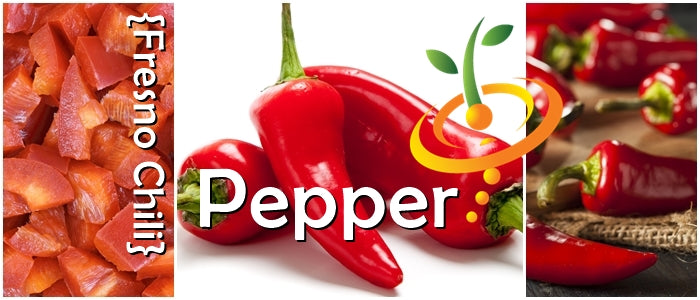
The Fresno Chili Pepper is a fun one to follow as it grows. The immature green fruit starts out pointing upward, and has a green, grassy flavor with mild heat. As the color changes through orange to bright red, the fruit hangs down, and the flavor changes to smoky and fruity with a bit more heat than a Jalapeño. These 3" tapered peppers are large enough to stuff, and small enough to pickle. Traditionally used to liven up ceviche, but it’s okay to grill that fish instead and make tacos topped with Fresno chili sauce. Excellent for roasting on the BBQ - or even pickling.
- High yields
- Smoky, fruity flavor
- Harvest any color
- Good for containers
SEED PLANTING TIPS
- Botanical name: Capsicum annuum
- Pepper length: 2"-3"
- Scoville heat units (SHU): 2,500-10,000/medium
- Plant support: Tomato cage or stake
- Depth to plant seeds: .25" deep
- Spacing between plants: 18"-24"apart
- Spacing between rows: 24"-36" apart
- Days to germinate (sprout): 7-21 days
- Germination soil temps: 75F-85F
- Soil needs: 6.0-7.0 pH
- Sun needs: Full sun
- Frost hardy: No
- Planting season: Spring, summer
- # of plants per sq. ft.: Appx. 1 plant per sq. ft.
- Days to maturity: 75-80 days
Good companion plants: Basil, Carrot, Cucumber, Eggplant, Okra, Rosemary, Sage, Squash, Tomato
All Peppers ⟐ Hot Peppers 📚 Hot Peppers Grow Guide -
Pepper (Hot) - Firecracker 🔥🔥🔥 seeds
From $399 USDUnit price /UnavailableDescription

The edible ornamental Firecracker Pepper sends showy clusters of 1" tapered fruit up and out, like a Roman candle, producing bursts of white, green, lavender, yellow, orange, and red, as it moves into full ripeness. When you get past the sensation that you’ve just eaten a flare, you’ll taste some fruitiness. Adds a sparkle of color and spiciness to any dish or marinade.
- High yields
- Edible ornamental
- Harvest any color
- Good for containers
SEED PLANTING TIPS
- Botanical name: Capsicum annuum
- Pepper length: 1/2"-1"
- Scoville heat units (SHU): 80,000-100,000/hot
- Plant support: Tomato cage or stake
- Depth to plant seeds: .25" deep
- Spacing between plants: 18"-24" apart
- Spacing between rows: 24"-36" apart
- Days to germinate (sprout): 7-21 days
- Germination soil temps: 75F-85F
- Soil needs: 6.0-7.0 pH
- Sun needs: Full sun
- Frost hardy: No
- Planting season: Spring, summer
- # of plants per sq. ft.: Appx. 1 plant per sq. ft.
- Days to maturity: 80-120 days
Good companion plants: Basil, Carrot, Cucumber, Eggplant, Okra, Rosemary, Sage, Squash, Tomato
All Peppers ⟐ Hot Peppers 📚 Hot Peppers Grow Guide -
Pepper (Sweet) - Emerald Giant seeds
From $399 USDUnit price /UnavailableDescription
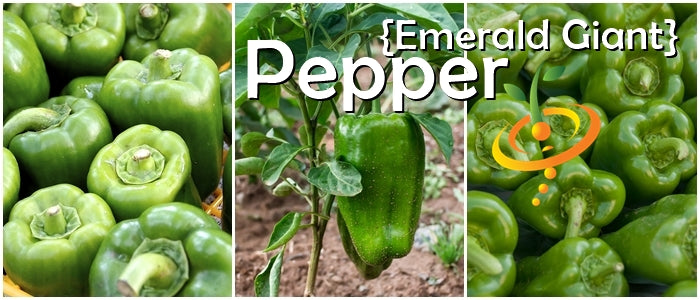
The Emerald Giant Pepper may not be your first precious gem, but it could become your favorite in the garden after you polish off a few. Large 4"-5", blocky, thick-skinned fruits dangle like pendants on vigorous, drought-tolerant plants. As it catches the light, the color matures from emerald to citrine to ruby. And its juicy, crispy, sweet, and mild facets make any recipe shine with delicious brilliance.
- High yields
- Crispy, juicy, and sweet
- Drought tolerant
- Good for Southern gardens
SEED PLANTING TIPS
- Botanical name: Capsicum annuum
- Pepper size: Large/ 4"-5"
- Plant support: Tomato cage or stake
- Depth to plant seeds: .25" deep
- Spacing between plants: 24"-36" apart
- Spacing between rows: 36"-48" apart
- Days to germinate (sprout): 7-21 days
- Germination soil temps: 75F-85F
- Soil needs: 6.0-7.0 pH
- Sun needs: Full sun
- Frost hardy: No
- Planting season: Spring, summer
- # of plants per sq. ft.: Appx. 1 plant per 3 sq. ft.
- Days to maturity: 75-85 days
Good companion plants: Basil, Carrot, Cucumber, Eggplant, Okra, Rosemary, Sage, Squash, Tomato
All Peppers ⟐ Sweet Peppers 📚 Sweet Peppers Grow Guide -
Pepper (Hot) - Cayenne, Red 🔥🔥🔥 seeds
From $399 USDUnit price /UnavailableDescription

The Red Cayenne Pepper will put a hop, a skip, and a kick in your step. Slender, glossy 5"-6" fruits grow abundantly on strong plants, bounding through all the primary colors as it matures from green to yellow to orange to red. Primarily used as a dried spice, but can be used fresh to rev up a salsa or to make pickling brine howl.If you want to spice it up with a different color, try the beautiful Purple Cayenne Pepper.
- High yields
- Dang spicy
- Harvest any color
- Good for containers
SEED PLANTING TIPS
- Botanical name: Capsicum annuum
- Pepper length: 5"-6"
- Scoville heat units (SHU): 30,000-50,000/hot
- Plant support: Tomato cage or stake
- Depth to plant seeds: .25" deep
- Spacing between plants: 18"-24" apart
- Spacing between rows: 24"-36" apart
- Days to germinate (sprout): 7-21 days
- Germination soil temps: 75F-85F
- Soil needs: 6.0-7.0 pH
- Sun needs: Full sun
- Frost hardy: No
- Planting season: Spring, summer
- # of plants per sq. ft.: Appx. 1 plant per sq. ft.
- Days to maturity: 75-85 days
Good companion plants: Basil, Carrot, Cucumber, Eggplant, Okra, Rosemary, Sage, Squash, Tomato- HOT but delightfully pungent in flavor
- Six inch long, one-half inch thin, green fruits that turn red when mature
- Named after the South American river in Guyana
Additional DetailsCayenne is a popular spice in a variety of cuisines. It is employed variously in its fresh form, dried and powdered, and as dried flakes. It is also a key ingredient in a variety of hot sauces, particularly those employing vinegar as a preservative. Buffalo Wings sauce contains Cayenne pepper.
All Peppers ⟐ Hot Peppers 📚 Hot Peppers Grow Guide -
Pepper (Hot) - Cayenne, Purple 🔥🔥🔥 seeds
From $399 USDUnit price /UnavailableDescription

The Purple Cayenne Pepper may look like grape candy, but the color it leaves on your tongue is from the burn of 50,000 Scoville heat units (SHUs). The vigorous plant with purple-tinged leaves produces loads of lilac blossoms that become loads of 5"-6" slim, tapered, glossy purple fruit that can get so dark on its way to red hot, it looks like licorice. A bit sweeter than the Red Cayenne Pepper, and dazzling enough to be a landscape ornamental. Use it fresh, pickled, candied, or dried.
- High yields
- Harvest any color
- Good for containers
- Good as an ornamental
SEED PLANTING TIPS
- Botanical name: Capsicum annuum
- Pepper length: 5"-6"
- Scoville heat units (SHU): 30,000-50,000/hot
- Plant support: Tomato cage or stake
- Depth to plant seeds: .25" deep
- Spacing between plants: 18"-24" apart
- Spacing between rows: 24"-36" apart
- Days to germinate (sprout): 7-21 days
- Germination soil temps: 75F-85F
- Soil needs: 6.0-7.0 pH
- Sun needs: Full sun
- Frost hardy: No
- Planting season: Spring, summer
- # of plants per sq. ft.: Appx. 1 plant per sq. ft.
- Days to maturity: 75-85 days
Good companion plants: Basil, Carrot, Cucumber, Eggplant, Okra, Rosemary, Sage, Squash, Tomato
- Excellent flavor
- Great for culinary creations
- Grows well in containers and smaller spaces
- Turns from green -> to purple as they continue to mature
Additional DetailsCayenne is a popular spice in a variety of cuisines. It is employed variously in its fresh form, dried and powdered, and as dried flakes. It is also a key ingredient in a variety of hot sauces, particularly those employing vinegar as a preservative. Buffalo Wings sauce contains Cayenne pepper.
Good companion plants: Basil, Carrot, Cucumber, Eggplant, Okra, Rosemary, Sage, Squash, Tomato
-
Pepper (Hot) - Jalapeño, Yellow (Caloro) 🔥 seeds
From $399 USDUnit price /UnavailableDescription
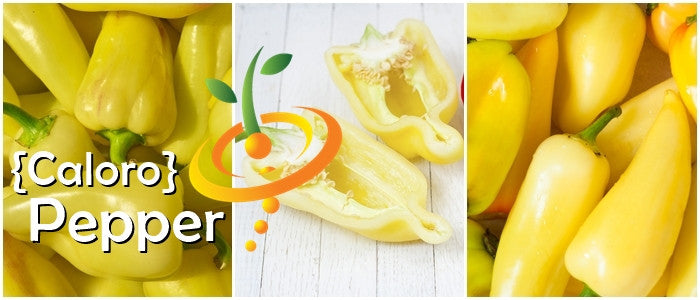
The Caloro Pepper is a gilded name for the Yellow Jalapeño Pepper. If you grow these, it will help to have two things: lots of friends and lots of bags, because you are going to have lots of these hot peppers to share. This prolific plant produces 2"-3" tapered fruits continuously, all summer long, maturing from yellow to orange to red. Continuously. Yellow, orange, red. All summer long. Yellow, orange, red. Thick-skinned, sweet, and crunchy with a heat that’s milder than a Green Jalapeño, but still quite spicy. Yellow, orange, red. Continuously, all summer long.
- Very high yields
- Ever-bearing
- Hot jalapeño flavor
- Harvest any color
SEED PLANTING TIPS
- Botanical name: Capsicum annuum
- Pepper length: 2"-3"
- Scoville heat units (SHU): 1,000-5,000/mild to medium
- Plant support: Tomato cage or stake
- Depth to plant seeds: .25" deep
- Spacing between plants: 18"-24" apart
- Spacing between rows: 24"-36" apart
- Days to germinate (sprout): 7-21 days
- Germination soil temps: 75F-85F
- Soil needs: 6.0-7.0 pH
- Sun needs: Full sun
- Frost hardy: No
- Planting season: Spring, summer
- # of plants per sq. ft.: Appx. 1 plant per sq. ft.
- Days to maturity: 75-85 days
Good companion plants: Basil, Carrot, Cucumber, Eggplant, Okra, Rosemary, Sage, Squash, Tomato
All Peppers ⟐ Hot Peppers 📚 Hot Peppers Grow Guide -
Pepper (Sweet) - California Wonder seeds
From $399 USDUnit price /UnavailableDescription

The California Wonder Pepper is so easy-going, it doesn’t mind if you call it Cal Wonder. Sturdy plants produce lots of smooth, blocky 3"-4" fruits with mostly four lobes and thick skin that ripen from peace, man green ✌️ to groovy orange to right-on red. Juicy and crunchy with sweet, mild flavor, and no heat. Eat fresh or stuff with chicken and avocado for a wonderful easy lunch.
Gardening in a hot, dry climate? Meet Cal’s cousin, Yolo Wonder.
- High yields
- Sweet and mild
- Juicy and crunchy
- Harvest any color
SEED PLANTING TIPS
- Botanical name: Capsicum annuum
- Pepper size: Medium
- Plant support: Tomato cage or stake
- Depth to plant seeds: .25" deep
- Spacing between plants: 18"-24" apart
- Spacing between rows: 24"-36" apart
- Days to germinate (sprout): 7-21 days
- Germination soil temps: 75F-85F
- Soil needs: 6.0-7.0 pH
- Sun needs: Full sun
- Frost hardy: No
- Planting season: Spring, summer
- # of plants per sq. ft.: Appx. 1 plant per 2 sq. ft.
- Days to maturity: 70-80 days
Good companion plants: Basil, Carrot, Cucumber, Eggplant, Okra, Rosemary, Sage, Squash, Tomato
All Peppers ⟐ Sweet Peppers 📚 Sweet Peppers Grow Guide -
Pepper (Hot) - Big Jim 🔥 seeds
From $399 USDUnit price /UnavailableDescription
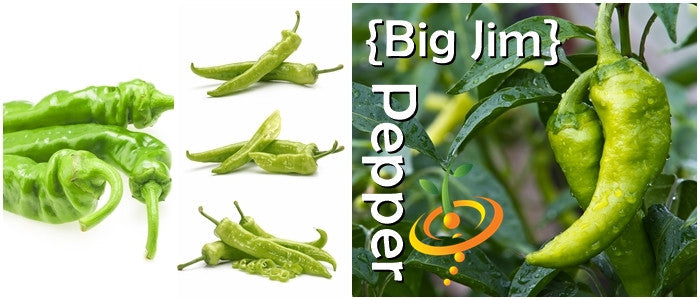
The Big Jim Pepper is the world’s largest pepper variety, with a fruit that can grow to 14" or longer. Typically in the 6"-10" range, these wide, tapered summer icicles grow on compact plants and ripen from lime green to smoky crimson. Sweet and flavorful with a pleasurable crackle of heat. When roasted or grilled, the thick skin slips off easily, leaving tender, juicy, meaty flesh. If you do grow a Jim that needs a tape measure, fill one full of ham and havarti or crab and cream cheese, and feed your entire family plus a neighbor kid.
- Heat tolerant
- Juicy and spicy
- Harvest any color
- Good for containers
SEED PLANTING TIPS
- Botanical name: Capsicum annuum
- Pepper length: 6"-14" long!
- Scoville heat units (SHU): 2,000-3,000/mild to medium
- Plant support: Tomato cage or stake
- Depth to plant seeds: .25" deep
- Spacing between plants: 18"-24" apart
- Spacing between rows: 24"-36" apart
- Days to germinate (sprout): 7-21 days
- Germination soil temps: 75F-85F
- Soil needs: 6.0-7.0 pH
- Sun needs: Full sun
- Frost hardy: No
- Planting season: Spring, summer
- # of plants per sq. ft.: Appx. 1 plant per sq. ft.
- Days to maturity: 75-80 days
Good companion plants: Basil, Carrot, Cucumber, Eggplant, Okra, Rosemary, Sage, Squash, Tomato
-
Pepper (Hot) - Ancho Grande 🔥 seeds
From $399 USDUnit price /UnavailableDescription

The Ancho Grande Pepper is named for its size—ancho is wide, grande is big. That’s when it’s dark red. While it’s still dark green, it’s called Poblano, which is named for a town in Mexico. And when it matures fully to dark brown, the name is Mulato. Vigorous, leafy plants produce grande amounts of tapered heart-shaped 4"-8" fruit with a mellow, smoky flavor and a little bit of heat. This fleshy, thick-skinned pepper is traditionally used for chiles rellenos and mole sauce, but you can probably think of a few more uses while you’re studying for the quiz about its name.- High yields
- Mellow, smoky flavor
- Thick skin
- Good fresh, cooked, and dried
SEED PLANTING TIPS
- Botanical name: Capsicum annuum
- Pepper length: 4"-8" long by 3" wide
- Scoville heat units (SHU): 1,000-2,000/mild
- Plant support: Tomato cage or stake
- Depth to plant seeds: .25" deep
- Spacing between plants: 24"-36" apart
- Spacing between rows: 36"-48" apart
- Days to germinate (sprout): 7-21 days
- Germination soil temps: 75F-85F
- Soil needs: 6.0-7.0 pH
- Sun needs: Full sun
- Frost hardy: No
- Plant height: 36"
- Planting season: Spring, summer
- # of plants per sq. ft.: Appx. 1 plant per 3 sq. ft.
- Days to maturity: 75-85 days
Good companion plants: Basil, Carrot, Cucumber, Eggplant, Okra, Rosemary, Sage, Squash, Tomato
All Peppers ⟐ Hot Peppers 📚 Hot Peppers Grow Guide  From $399 USDUnit price /Unavailable
Description
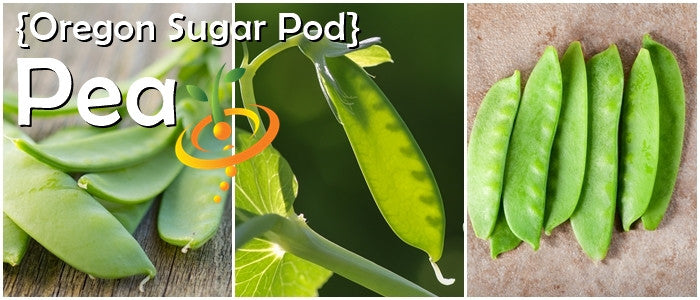
- Mammoth type snow pea with excellent flavor and easy to grow
- Excellent quality, string present as pod matures
- Resistant to Enation Virus, Powdery Mildew and Common Pea Wilt
- Vine height 16-30"
- 4" light green pea pods
-
Days to Maturity | 60 days
Pea Seeds | Peas are a cool season vegetable, and do best in a climate where there are two months of cool growing weather, either spring planting in the northern regions or fall planting in the warmer, southern regions. Plant seeds 4"-6" apart.
Click here for complete Pea grow guide
Additional DetailsPeas are high in vitamin A, vitamin C, B vitamins and lutein. Dry weight is about one-quarter protein and one-quarter sugar.
- Mammoth type snow pea with excellent flavor and easy to grow
-
Parsley - Rooted Hamburg seeds
From $399 USDUnit price /UnavailableDescription
-
A very old heirloom variety dating back to the 1600's
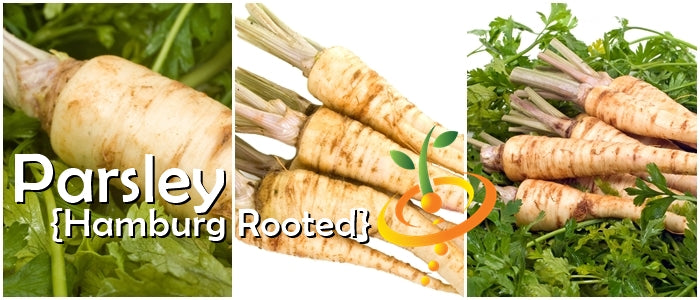
- Hamburg Rooted Parsley is used differently than other parsley plants. It's actually preferred by many European cooks and is typically the main ingredient for many stews
- Hamburg Rooted Parsley is a large edible root with smooth mild parsley flavor
- Very easy to grow
- In Europe root parsley is usually the first choice over parsnips
-
Day to Maturity | 85 days
-
A very old heirloom variety dating back to the 1600's
-
From $399 USDUnit price /Unavailable
Description

Evergreen Parsley Seeds
(100% Heirloom/Non-Hybrid/Non-GMO)- Dark green curly parsley leaves.
- Can withstand frost and cooler temps better than the other varieties.
- Use this parsley for garnishing, and culinary decoration.
-
Day to Maturity | 70 days
- Planting Guide | Sow directly in your garden and space seeds 7" apart. Seeds can take a while to sprout. Can take 3-4 weeks before seedlings appear. Plant will grow to about 10" tall in about 60 days.

Additional DetailsParsley is a commonly grown culinary and medicinal herb that is often used as a domestic medicine. The fresh leaves are highly nutritious and can be considered a natural vitamin and mineral supplement in their own right. The plants prime use is as a diuretic where it is effective in ridding the body of stones and in treating jaundice, dropsy, cystitis etc. It is also a good detoxifier, helping the body to get rid of toxins via the urine and therefore helping in the treatment of a wide range of diseases such as rheumatism
- Dark green curly parsley leaves.
-
Parsley - Dark Green Italian Giant seeds
From $399 USDUnit price /UnavailableDescription

- Finely cut dark green leaves
- Flat leaves
- Use this parsley for garnishing, and culinary decoration
- Tolerates heat better than most varieties
- Days to Maturity | 60 days
- Planting Guide | Sow directly in your garden and space seeds 7" apart. Seeds can take a while to sprout. Can take 3-4 weeks before seedlings appear. Plant will grow to about 10" tall in about 60 days.
-
From $399 USDUnit price /Unavailable
Description

- Perennial
- Hardy plant with pungent, oval leaves and purplish pink flowers
- Use fresh or dried in sauces and soups
-
Days to Maturity | 90 days
Additional Details
Hippocrates used oregano as an antiseptic, as well as a cure for stomach and respiratory ailments. It is still used today in Greece as a palliative for sore throat. Oregano is also high in antioxidant activity, due to a high content of phenolic acids and flavonoids.
-
Onion - Spanish Sweet, White (Long Day) seeds
From $399 USDUnit price /UnavailableDescription
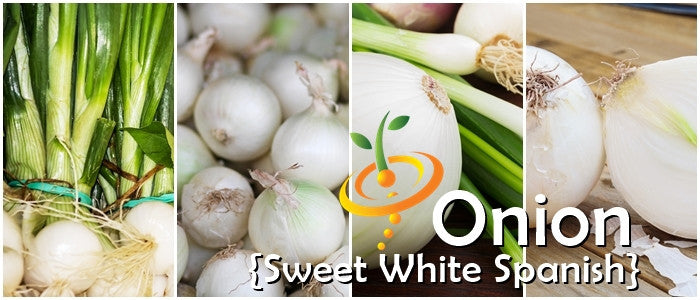
- The White Sweet Spanish variety will produces a globed shaped white onion
- Long day
- This is one of the most popular white onion varieties available
- Easy to grow
- Perfect for beginners
- Grows well in containers and tight spaces
-
Days to Maturity | 110-120 days
Onion Seeds | Onions are easy to grow, have a fairly short growing period and take up little space in the garden. Plant onions 1/4 inch deep and 3 to 4 inches apart in double rows, leaving 6 to 10 inches between rows.
Click here for complete Onion grow guide
- The White Sweet Spanish variety will produces a globed shaped white onion
-
Onion - Tokyo Long White (Bunching), Scallion seeds
From $399 USDUnit price /UnavailableDescription

-
The Tokyo Long White Bunching Onion – or Scallion – is an extremely tasty Japanese variety that grows well throughout the United States
- One of our best sellers
- Grows well in containers and small spaces
- Easy to grow
-
Days to Maturity | 75-80 days
Onion Seeds | Onions are easy to grow, have a fairly short growing period and take up little space in the garden. Plant onions 1/4 inch deep and 3 to 4 inches apart in double rows, leaving 6 to 10 inches between rows.
Click here for complete Onion grow guide
-
The Tokyo Long White Bunching Onion – or Scallion – is an extremely tasty Japanese variety that grows well throughout the United States
-
Onion - Southport, White Globe (Long Day) seeds
From $399 USDUnit price /UnavailableDescription

-
The Southport Onion produces medium-sized white globe onions
- A crisp and mild-flavored onion
- Perfect for salads and many other culinary creations
- A long day onion
- Grows well in containers and small spaces
- Easy to grow
-
Days to Maturity | 120 days
Onion Seeds | Onions are easy to grow, have a fairly short growing period and take up little space in the garden. Plant onions 1/4 inch deep and 3 to 4 inches apart in double rows, leaving 6 to 10 inches between rows.
Click here for complete Onion grow guide
-
The Southport Onion produces medium-sized white globe onions
-
Onion - Southport, Red Globe (Long Day) seeds
From $399 USDUnit price /UnavailableDescription

-
The Southport Onion produces medium-sized white globe onions
- A crisp and mild-flavored onion
- Perfect for salads and many other culinary creations
- A long day onion
- Grows well in containers and small spaces
- Easy to grow
-
Days to Maturity | 120 day
Onion Seeds | Onions are easy to grow, have a fairly short growing period and take up little space in the garden. Plant onions 1/4 inch deep and 3 to 4 inches apart in double rows, leaving 6 to 10 inches between rows.
Click here for complete Onion grow guide
-
The Southport Onion produces medium-sized white globe onions
-
Onion - Red Burgundy (Short Day) seeds
From $399 USDUnit price /UnavailableDescription
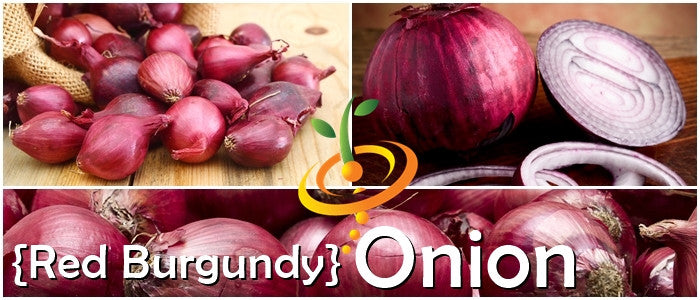
- The Red Burgundy onion plant produces beautiful 4" wide red onions
- Short day
- These onions have a mild but very sweet flavor
- Excellent slicing variety
-
Days to Maturity | 110-120 days
Onion Seeds | Onions are easy to grow, have a fairly short growing period and take up little space in the garden. Plant onions 1/4 inch deep and 3 to 4 inches apart in double rows, leaving 6 to 10 inches between rows.
Click here for complete Onion grow guide
- The Red Burgundy onion plant produces beautiful 4" wide red onions
-
Onion - Grano, Red (Short Day) seeds
From $399 USDUnit price /UnavailableDescription

-
Red Grano onions are medium-sized red onions
- A perfect variety for slicing and canning
- A crisp and mild flavored onion
- Short day onion
-
Days to Maturity | 120 days
Onion Seeds | Onions are easy to grow, have a fairly short growing period and take up little space in the garden. Plant onions 1/4 inch deep and 3 to 4 inches apart in double rows, leaving 6 to 10 inches between rows.
Click here for complete Onion grow guide
-
Red Grano onions are medium-sized red onions
-
Onion - Evergreen (Bunching) seeds
From $399 USDUnit price /UnavailableDescription

-
Allium cepa. This plant produces very long and slender bunching onions
- Grown exclusively as green bunching onions. Onions have white shanks and white skin making it a very attractive scallion for gourmet dishes
- A hardy plant that can withstand cold weather
- If you like scallions, you'll love this variety
- Extremely popular
- A must have for any onion-lover
-
Days to Maturity | 120 days
Onion Seeds | Onions are easy to grow, have a fairly short growing period and take up little space in the garden. Plant onions 1/4 inch deep and 3 to 4 inches apart in double rows, leaving 6 to 10 inches between rows.
Click here for complete Onion grow guide
-
Allium cepa. This plant produces very long and slender bunching onions
-
Onion - Barletta, Pearly White seeds
From $399 USDUnit price /UnavailableDescription

-
The Barletta, Pearly White Onion is an extremely tasty small pearl-sized onion
- Barletta onions are beautiful silver white pickling onions
- So delicious
- Perfect for shish-ka-bobs, chicken and veggie skewers, and even just grilled on the bbq
- Grows well in containers and small spaces
- Easy to grow
-
Days to Maturity | 75-80 day
Onion Seeds | Onions are easy to grow, have a fairly short growing period and take up little space in the garden. Plant onions 1/4 inch deep and 3 to 4 inches apart in double rows, leaving 6 to 10 inches between rows.
Click here for complete Onion grow guide
-
The Barletta, Pearly White Onion is an extremely tasty small pearl-sized onion
-
Okra - Clemson Spineless seeds
From $399 USDUnit price /UnavailableDescription
-
All-America Selections (AAS) Winner
- These seeds will produce 6 inch, slightly tapered and ribbed pods on a beautiful 3 ft. tall plant
- Protect from frost
- Thrives in HOT temperatures
- Best when picked young
- Excellent quality and prolific
-
Days to Maturity | 55 days
Okra Seeds | Sow okra seeds in fertile, nitrogen rich soil. Plant seeds about 12" apart.
Click here for complete Okra grow guide
Additional Details
Okra is often known as "Lady's Fingers" outside of the United States.
-
All-America Selections (AAS) Winner
-
From $399 USDUnit price /Unavailable
Description

- A 1957 All-America Selections (AAS) Winner
- Plant produces good yields of flavorful curly dark green leaves
- Perfect for salads
- Stays in the ground 2 - 4 weeks longer than other mustard varieties
- Tolerates the cold extremely well
- Perfect for home gardens and market growers
- Easy to grow
-
Days to Maturity | 45 days
-
Mustard Seeds | When growing from seed, start them outdoors 3 weeks before the last frost. Plant seeds a 1/2" deep, and thin to 3 inches.
Click here for complete Mustard grow guide
Additional Details
Mustard greens are extremely high in Vitamin A, B, and C.
- A 1957 All-America Selections (AAS) Winner
-
Mustard - Florida Broadleaf seeds
From $399 USDUnit price /UnavailableDescription

- These mustard seeds produce a plant with good yields of flavorful green mustard leaves
Excellent greens which can be used in salads, sandwiches, or cooked
A traditional Southern favorite
-
Days to Maturity | 45 days
-
Mustard Seeds | When growing from seed, start them outdoors 3 weeks before the last frost. Plant seeds a 1/2" deep, and thin to 3 inches.
Click here for complete Mustard grow guide
Mustard greens are extremely high in Vitamin A, B, and C.
- These mustard seeds produce a plant with good yields of flavorful green mustard leaves
-
From $399 USDUnit price /Unavailable
Description

Spearmint (Mentha spicata) is a vigorous perennial herb prized for its mild, refreshing flavor and aromatic foliage. This cold-hardy plant thrives in full sun to partial shade and adapts to various soil conditions, though it prefers consistently moist, well-draining earth. Spearmint spreads readily via underground runners, making it ideal for container cultivation or designated garden beds. Harvest leaves throughout the growing season for fresh teas, culinary dishes, and natural pest deterrent properties. Extremely low-maintenance once established, spearmint requires minimal fertilization and tolerates both drought and wet conditions. Perfect for gardeners seeking a reliable, productive herb that returns year after year with minimal intervention.
- Spearmint ( Mentha spicata) is typically used in teas, jellies, deserts, and salads
- Extremely fragrant
- Sweet smelling
- Acts as a natural wasp repellant
- Perennial
- Can be used as a garnish on ice cream and drinks
- 85 days to maturity

Click here to see 7 Awesome Mint Drink Recipes HERE
Follow SeedsNow.com's board Mint on Pinterest.
-
Melon (Cantaloupe) - Hales Best Jumbo seeds
From $399 USDUnit price /UnavailableDescription

- The Hales Best Jumbo is a cantaloupe that yields large, oval, ribbed fruits weighing up to 5 to 6 pounds
- Traditional favorite
- Heavy netting and fine textured with a bright orange flesh
- Holds a sweet flavor longer than most
- Drought tolerant variety that thrives in warm temps
- Excellent source of vitamin C.
-
Days to Maturity | 85-100 days
-
Melon Seeds | Because of the long growing season, start plants indoors 4 to 5 weeks before outdoor planting time. Direct sow 4-5 seeds in a hill and then thin to the appropriate spacing.
Click here for complete Melon grow guide
- The Hales Best Jumbo is a cantaloupe that yields large, oval, ribbed fruits weighing up to 5 to 6 pounds
-
Lettuce - Romaine, Classic "Paris Island Cos" seeds
From $399 USDUnit price /UnavailableDescription

- Large, upright, full-bodied heads with dark-green, slightly savoyed leaves that are mild and sweet
- Plant reaches about 10 inches tall. Midribs are crunchy and juicy
- Because of their higher chlorophyll content, romaine lettuces are among the most nutritious of all lettuces
- Excellent performer in the inter-mountain region. Mosaic tolerant
-
Days to Maturity | 80 days
-
Lettuce Seeds | Lettuce can be grown practically anywhere. For leaf types seed should be sown thinly in rows 1 foot apart. For head, Bibb, and cos types, space rows 18 inches apart.
Click here for complete Lettuce grow guide
- Large, upright, full-bodied heads with dark-green, slightly savoyed leaves that are mild and sweet
-
From $399 USDUnit price /Unavailable
Description

- Iceberg lettuce is most often grown as a leaf vegetable
- Mild in flavor, it has been described over the centuries as a cooling counterbalance to other ingredients in a salad
-
Days to Maturity | 45 days
-
Lettuce Seeds | Lettuce can be grown practically anywhere. For leaf types seed should be sown thinly in rows 1 foot apart. For head, Bibb, and cos types, space rows 18 inches apart.
Click here for complete Lettuce grow guide
-
Lettuce - Gourmet/Mesclun Mix seeds
From $399 USDUnit price /UnavailableDescription

- A mixture of favorite lettuce seed varieties from across the spectrum of lettuce types
- Plant heavy and start harvest early for young for baby greens then allow some to grow on for plenty of variety for salads
- A great way to get a lot out of little space
- Perfect for container gardening
-
Days to Maturity | 35-70 days
-
Lettuce Seeds | Lettuce can be grown practically anywhere. For leaf types seed should be sown thinly in rows 1 foot apart. For head, Bibb, and cos types, space rows 18 inches apart.
Click here for complete Lettuce grow guide
- A mixture of favorite lettuce seed varieties from across the spectrum of lettuce types
-
Leek - Large American Flag seeds
From $399 USDUnit price /UnavailableDescription

- Mild, sweet, onion-like flavor. Very hardy, will overwinter in milder climates. The 7 to 9 inch stems blanch snowy white and are topped with blue-green leaves resemble giant scallions.
-
Days to Maturity | 90-100 days
-
Leek Seeds | Plant leeks in the spring, and late in the summer or fall. Plant leek seedlings 8-10 inches apart.
Click here for complete Leek grow guide
- Mild, sweet, onion-like flavor. Very hardy, will overwinter in milder climates. The 7 to 9 inch stems blanch snowy white and are topped with blue-green leaves resemble giant scallions.
-
Leek - Giant Musselburgh seeds
From $399 USDUnit price /UnavailableDescription

- Mild, sweet, onion-like flavor
- A very hardy variety
- Blue-green leaves resemble giant scallions
-
Days to Maturity | 100 days
-
Leek Seeds | Plant leeks in the spring, and late in the summer or fall. Plant leek seedlings 8-10 inches apart
Click here for complete Leek grow guide
- Mild, sweet, onion-like flavor

Lavender, English Flower seeds
From $399 USDUnit price /Unavailable-
Kale - Tuscany, Lacinato "Dinosaur" seeds
From $399 USDUnit price /UnavailableDescription

- Old Italian heirloom, rather primitive open kale with blue-green strap leaves that are 3" wide by 10-18" long.
- Also know and Tuscan or Dinosaur Kale!
- Perfect for making Kale Chips!
- The leaves of this extremely winter-hardy variety become sweeter after a hard frost or harvest leaves when young and tender.
- Delicious and tender when stir-fried or steamed.
- This variety is excellent for a Fall and Winter harvest.
-
Kale is considered to be a highly nutritious vegetable with powerful antioxidant properties; kale is considered to be anti-inflammatory. Kale is very high in beta carotene, vitamin K, vitamin C, lutein, zeaxanthin, and reasonably rich in calcium.
-
Days to Maturity | 65 days
-
Kale Seeds | Kale can be planted pretty much anywhere in the United States where there's a cool fall growing season. Plant Kale in rows 18 inches to 2 feet apart.
Click here for complete Kale grow guide
Follow SeedsNow.com's board Kale on Pinterest. - Old Italian heirloom, rather primitive open kale with blue-green strap leaves that are 3" wide by 10-18" long.
 From $399 USDUnit price /Unavailable
Description
Hyssop is a perennial herb prized for its aromatic, evergreen foliage and vibrant blue flowers, making it a valuable addition to any garden. It thrives in well-drained soil with full sun exposure and demonstrates excellent drought tolerance once established. Hyssop attracts beneficial pollinators such as bees and butterflies, enhancing biodiversity and supporting nearby plants. Its leaves and flowers are used for culinary purposes and traditional herbal remedies, offering both sensory and functional benefits. Cultivating hyssop requires minimal maintenance, making it ideal for gardeners seeking a resilient, multipurpose herb.
- Hyssop has a long history of medicinal use and was so highly esteemed in the past that it was considered to be a virtual cure-all.
- Day to Maturity | 75 days
Additional DetailsHyssop is a versatile herb that brings both beauty and utility to your garden. Known for its aromatic leaves and striking blue flowers, it attracts pollinators like bees and butterflies, promoting a healthy garden ecosystem. Beyond its visual appeal, hyssop can enhance your cooking with its distinctive flavor and has a history of traditional medicinal use. Easy to grow and maintain, this herb is a valuable addition for gardeners seeking a blend of charm and functionality. Add hyssop to your garden and enjoy its many benefits all season long.
"Currently an undervalued herb, it is often used as a household remedy, particularly as an expectorant and stomach tonic. It has a positive effect when used to treat bronchitis and respiratory infections, especially where there is excessive mucous production. Hyssop can irritate the mucous membranes, so it is best given after an infection has peaked, when the herb's tonic action encourages a general recovery. The plant should not be used by pregnant women, however, since in large quantities it can induce a miscarriage. The leaves and flowering tops are antiseptic, antitussive, astringent, carminative, diaphoretic, emmenagogue, expectorant, pectoral, sedative, stimulant, stomachic, tonic and vasodilator. The plant can be harvested when in full flower and dried for later use. A tea made from the leaves is used in the treatment of flatulence, stomach-aches, upper respiratory tract infections, coughs in children etc. A poultice made from the fresh herb is used to heal wounds. The essential oil is used in aromatherapy. Its keyword is 'Stability'. This oil should not be used on people who are highly strung as it can cause epileptic symptoms. The essential oil should not be used internally except under professional supervision." SOURCE
WARNING LABEL: SeedsNow.com cannot take any responsibility for any adverse effects from the use of seeds and/or plants. Always seek advice from a professional before using a seed and/or plant for medicinal purposes.
- Hyssop has a long history of medicinal use and was so highly esteemed in the past that it was considered to be a virtual cure-all.
-
From $399 USDUnit price /Unavailable
Description

-
Produces very flavorful large bulbs and edible flower buds
- Excellent for seasonings and for cooking as a vegetable
- Plant Height: 30" tall
- Fennel is a very aromatic plant with a sweet licorice flavor, similar to an anise seed. It has many medicinal uses and herbalists have been using it for centuries to relieve problems with the respiratory system, stomach muscles and intestines. Nursing mothers can expect increased milk production and fennel also has been used to soothe colicky infants.
- Fennel has a long history of herbal use and is a commonly used household remedy, being useful in the treatment of a variety of complaints, especially those of the digestive system.
- Easy to grow
- There are so many health benefits associated with this plant
-
Days to Maturity | 80 days
-
Fennel Seeds | Fennel is known as a perennial that ought to be planted sometime after the last frost of the winter. Try sowing seeds directly into your gardens, because transplanting fennel usually doesn't work very well.
Click here for complete Fennel grow guide
See Fennel Recipes & Growing Tips on our Pinterest Board
-
Produces very flavorful large bulbs and edible flower buds
-
Eggplant - Long Purple Italian seeds
From $399 USDUnit price /UnavailableDescription

- This all-time classic favorite eggplant produces club shaped fruits that are 10" long x 2" in diameter
- Each plant will produce four or more dark, purple fruits
-
Days to Maturity | 75 days
-
Eggplant Seeds | Start seed indoors to allow at least 10 weeks for young plants to develop. Plant in rows 3 feet apart, with 2 feet between plants.
Click here for complete Eggplant grow guide
- This all-time classic favorite eggplant produces club shaped fruits that are 10" long x 2" in diameter
-
From $399 USDUnit price /Unavailable
Description

- Fruits are a deep-purple, egg-shaped globe about 6 by 5 inches
- Flesh is smooth, creamy and pale yellow
-
Days to Maturity | 80 days
-
Eggplant Seeds | Start seed indoors to allow at least 10 weeks for young plants to develop. Plant in rows 3 feet apart, with 2 feet between plants.
Click here for complete Eggplant grow guide
- Fruits are a deep-purple, egg-shaped globe about 6 by 5 inches
 From $399 USDUnit price /Unavailable
Description

- Annual
- 3 ft. plant with strongly aromatic foliage, stems, and heads. Excellent for pickling
- Days to Maturity | 65 days
Additional Details
Dill has a very long history of herbal use going back more than 2,000 years. The seeds are a common and very effective household remedy for a wide range of digestive problems. An infusion is especially efficacious in treating gripe in babies and flatulence in young children. The seed is aromatic, carminative, mildly diuretic, galactogogue, stimulant and stomachic.
Other Medicinal Properties
Dill is also used in the form of an extracted essential oil. Used either in an infusion, or by eating the seed whole, the essential oil in the seed relieves intestinal spasms and griping, helping to settle colic. Chewing the seed improves bad breath. Dill is also a useful addition to cough, cold and flu remedies, it can be used with antispasmodics such as Viburnum opulus to relieve period pains. Dill will also help to increase the flow of milk in nursing mothers and will then be taken by the baby in the milk to help prevent colic.
See Dill Recipes & Growing Tips on our Pinterest Board
Follow SeedsNow.com's board Dill on Pinterest. - Annual
-
Collard - Morris Heading seeds
From $399 USDUnit price /UnavailableDescription

- Extremely tender, medium green leaves are broad and slightly crumpled
- Compact plant forming loose heads of short steamed leaves
- Tolerant of heat and cold and very rich in vitamins and minerals
- The juicy leaves have a mild cabbage-like flavor and are delicious boiled, steamed, or as an addition to salads. 36 inches tall
-
Days to Maturity | 80 days
-
Collards | Plant seeds 3 to 4 weeks before your first frost for Spring harvest. Sow seeds approximately 12" from one another.
Click here for complete Collards grow guide
Additional Details
Collard is widely considered to be a healthy food, collards are good sources of vitamin C and soluble fiber and contain multiple nutrients with potent anti-cancer properties, such as diindolylmethane and sulforaphane.[citation needed] Roughly a quarter pound (approx. 100 g) of cooked collards contains 46 calories.
- Extremely tender, medium green leaves are broad and slightly crumpled
-
From $399 USDUnit price /Unavailable
Description

Chives (Allium schoenoprasum) are a versatile perennial allium that delivers delicate onion flavor to culinary applications. This hardy herb establishes quickly in garden beds or containers, preferring full sun and moderately fertile, well-draining soil. Chives produce attractive purple-pink flower clusters that bloom throughout spring and summer, offering ornamental appeal alongside culinary utility. Continuous harvesting encourages bushier growth and extends productivity across multiple seasons. The plant's shallow root system makes it an excellent companion in vegetable gardens, and its pungent foliage naturally repels certain garden pests. Exceptionally cold-hardy and drought-tolerant once established, chives require minimal maintenance while providing consistent harvests for soups, salads, and garnishes. An indispensable addition for any edible garden.
- Also known as Allium Scoenoprasum. A perennial plant that grows narrow, grass-like leaves that have a mild onion-like flavor
- Chives are rich in vitamins A and C, contain trace amounts of sulfur, and are rich in calcium and iron
- Used for many culinary creations
- Perfect for containers and small spaces
- The plant will grow to about 12" tall
-
Days to Maturity | 80 days
-
Chives | Chives are grown best in cooler weather, are cold hardy and usually are planted early in the spring. Sow your chive seeds directly into the soil as soon as it is workable and at least 60 degrees F.
Click here for complete Chives grow guide
If you like Chives, try growing Scallions.
See Chive Recipes & Growing Tips on our Pinterest Board
Follow SeedsNow.com's board Chives on Pinterest. - Also known as Allium Scoenoprasum. A perennial plant that grows narrow, grass-like leaves that have a mild onion-like flavor
-
Chervil (French Parsley) seeds
From $399 USDUnit price /UnavailableDescription
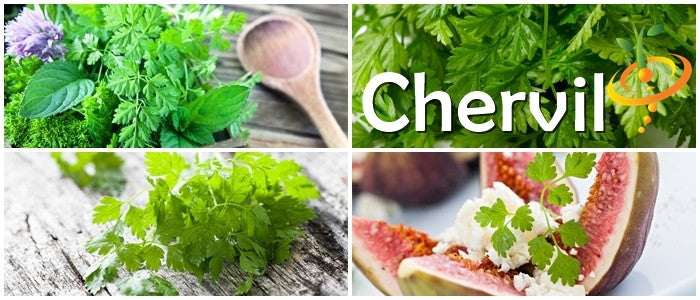
Chervil, also called French Parsley and Garden Chervil, is an ancient aromatic annual in the parsley family, with similar fern-like leaves, tiny white flowers, and a sweet flavor that’s a delicate mix of parsley, anise, and pepper. Leaves, stems, seeds, and flowers are all edible. It prefers growing in part shade in moist soil with cool temps, so it’s good for indoor gardens or fall/winter gardens in mild climates. An important ingredient in fines herbes, along with chives, parsley, and tarragon, used extensively in French gourmet cooking. Loses its flavor when dried, so chop or chiffonade to add a freshness to salads, dressings, herb butter, sauces, seafood, peas, poultry, green beans, carrots, eggs, and herbal tea.
As a companion plant, it attracts pollinators and beneficial insects, and repels ants, aphids, slugs, and snails.
As a medicinal herb, Chervil has been used internally to treat arthritis, bronchitis, congestion, cough, gum disease, hiccups, low blood pressure, menstrual cramps, skin problems, and swelling, and externally to treat painful joints, tired eyes, and wounds.
YIELD Medicinal properties are presented as information only, and are not a recommendation or prescription for use. Consult a medical professional before using any herb medicinally.
- Parsley-anise-pepper flavor
- All parts are edible
- Good for indoor gardens
- Good for containers
SEED PLANTING TIPS
- Botanical name: Anthriscus cerefolium
- Life cycle: Herbaceous annual
- Hardiness zones: 3-10
- Planting season: Spring, fall
- Days to maturity: 40-60 days; can begin harvesting when 6" tall
- Depth to plant seeds: 1/4" deep
- Days to germinate (sprout): 14-28 days
- Germination soil temps: 55F-65F
- Spacing between plants: 9"-12" apart
- Spacing between rows: 18"-24" apart
- # of plants per sq. ft.: Appx. 1 plant per sq. ft.
- Soil types: Sandy, loamy, rich, moist, well-drained
- Soil pH: 6.0-7.5
- Sun needs: Full sun, part shade, full shade
- Water needs: Average
- Cold stratify: No
- Frost tolerant: Yes
- Heat tolerant: No
- Drought tolerant: No
- Deer resistant: Yes
- Culinary use: Yes
- Medicinal use: Yes
Good companion plants: Broccoli, Carrot, Cilantro/Coriander, Dill, Lettuce, Mint, Radish, Yarrow
More facts about Chervil:
- Pregnant women were bathed in an infusion of it; a lotion of it was used as a skin cleanser; and it was used medicinally as a blood purifier.
- It was also claimed to be useful as a digestive aid, for lowering high blood pressure, and, infused with vinegar, for curing hiccups
See Chervil Recipes & Growing Tips on our Pinterest Board
Follow SeedsNow.com's board Chervil on Pinterest. -
Chamomile, German Flower seeds
From $399 USDUnit price /UnavailableDescription

German Chamomile has been cultivated as a medicinal herb for thousands of years and was used by ancient Egyptians, Romans, Greeks, and Vikings. An easy care annual in the daisy family, it has small white flowers with large yellow hollow cone centers that proliferate on a bushy shrub of feathery foliage. Only the sweet apple-scented flowers are used fresh or dried, usually steeped into a soothing herbal tea that can be used as a facial tonic or sipped by kids and adults right before it’s time to go night-night.
As a companion plant, it attracts pollinators and beneficial insects; repels cabbage moths, cabbage white fly, cabbage worms, cucumber beetles, and mosquitoes; and is said to increase the fragrance and flavor of aromatic herbs such as basil, mint, oregano, rosemary, sage, and thyme.
Roman Chamomile has many of the same uses, but is a low-growing, evergreen perennial groundcover with fewer, but larger flowers. You can determine which type of Chamomile you have if you cut open the yellow center of the flower. Roman has solid centers while German has hollow ones.
As a medicinal herb, Chamomile has been used internally to treat allergies, anxiety, arthritis, asthma, colds, colic, cough, flatulence, gum disease, headache, indigestion, inflammation, insomnia, irritable bowel syndrome (IBS), menstrual cramps, morning sickness, stress, nervousness, restlessness, and stomach upset, and externally to treat burns, earache, hemorrhoids, mouth sores, skin problems, sunburns, teething pain, tired eyes, toothache, and wounds.
⚠️ Do not handle or ingest if you are allergic to ragweed.
⚠️ Medicinal properties are presented as information only, and are not a recommendation or prescription for use. Consult a medical professional before using any herb medicinally.
- Abundant blossoms
- Apple fragrance
- Grows 2'-3' tall
- Good for containers
SEED PLANTING TIPS
- Botanical name: Matricaria chamomilla
- Life cycle: Herbaceous annual
- Hardiness zones: 4-9
- Planting season: Spring, fall
- Days to maturity: 55-70 days
- Depth to plant seeds: Lightly cover - seeds need light to germinate
- Days to germinate (sprout): 7-21 days
- Germination soil temps: 55F-75F
- Spacing between plants: 12"-18" apart
- Spacing between rows: 18"-24" apart
- # of plants per sq. ft.: Appx. 1 plant per sq. ft.
- Soil types: Sandy, loamy, silty, shallow, poor, rich, moist, well-drained
- Soil pH: 5.0-7.5
- Sun needs: Full sun, part shade
- Water needs: Low - do not overwater
- Cold stratify: Yes
- Frost tolerant: Yes
- Heat tolerant: Yes
- Drought tolerant: Yes
- Deer resistant: Yes
- Culinary use: No
- Medicinal use: Yes
Good companion plants: Basil, Bean, Broccoli, Brussels Sprouts, Cabbage, Carrot, Cauliflower, Chives, Collards, Cucumber, Fava Bean, Garlic, Hyssop, Kale, Lavender, Marigold, Mint, Mustard, Onion, Oregano, Pepper, Parsley, Rosemary, Soybean, Sage, Thyme, Squash, Tomato, Zucchini
More facts about Chamomile:
- Chamomile helps combat headaches, toothaches, and earaches.
- Sometimes known as "the plant doctor", because it is thought to help the growth and health of many other plants, especially ones that produce essential oils.
- Thought to increase production of those oils, making certain herbs, like mints (spearmint, sage, oregano) and basil stronger in scent and flavor.
- Can be taken as a herbal tea, two teaspoons of dried flower per cup of tea, which should be steeped for ten to fifteen minutes while covered to avoid evaporation of the volatile oils.
See Chamomile Recipes & Growing Tips on our Pinterest Board
Follow SeedsNow.com's board Chamomile on Pinterest. -
Celery - Tall Utah 52-70 seeds
From $399 USDUnit price /UnavailableDescription

- Recommended by USU. Produces strong and delicious 11" - 12" tall stalks of celery
- Good heart development and strong roots
- Excellent for juicing or blending into health drinks
- Easy to grow
- Definitely worth including in any sized garden
- Days to Maturity | 100 days
- Celery Seeds | Celery seed is usually started indoors about 10 weeks before it is time to set the plants outdoors. Plant in rows 2 feet apart; with 6 - 8 inches between plants.
Click here for complete Celery grow guide.
- Recommended by USU. Produces strong and delicious 11" - 12" tall stalks of celery
-
Carrot - Little Fingers (4" Long) seeds
From $399 USDUnit price /UnavailableDescription

-
The Little Finger carrots are one of the quickest to grow.
- 4" cylindrical roots
- Tender and sweet variety
- Many can be grown in a small space
- Carrots are a sun-loving plants that also like the cold.
- Just keep them consistently watered and they'll be happy.
-
Days to Maturity | 55 days
- Carrot Seeds | Carrots are an annual cool-season crop, half-hardy to frost and light freezes. Sow seeds evenly in a very shallow furrow, about 1/4 inch deep, and keep seeds moist so they will germinate.
Click here for complete Carrot grow guide
Additional Details
Carrot gets its characteristic and bright orange colour from β-carotene, which is metabolised into vitamin A in humans when bile salts are present in the intestines. Carrots are also rich in dietary fibre, antioxidants, and minerals.
-
The Little Finger carrots are one of the quickest to grow.
-
Carrot - Kuroda (8" Long) seeds
From $399 USDUnit price /UnavailableDescription

- Plant produces high yields of flavorful 8" long orangish red carrots.
- Very popular asian carrot.
- Suitable for home garden or market growers.
- Grows well in raised beds and compact spaces.
-
Days to Maturity | 70 days
- Carrot Seeds | Carrots are an annual cool-season crop, half-hardy to frost and light freezes. Sow seeds evenly in a very shallow furrow, about 1/4 inch deep, and keep seeds moist so they will germinate.
Click here for complete Carrot grow guide
Additional Details
Carrot gets its characteristic and bright orange colour from β-carotene, which is metabolised into vitamin A in humans when bile salts are present in the intestines. Carrots are also rich in dietary fibre, antioxidants, and minerals.
- Plant produces high yields of flavorful 8" long orangish red carrots.
-
Carrot - Danvers (7" Long) seeds
From $399 USDUnit price /UnavailableDescription

-
The Danvers carrot outperforms all other carrots in heavier soils.
- 7" long and 2" thick with thickly tapered ends
- Tender and very sweet
- Carrots are a sun-loving plants that also like the cold.
- Just keep them consistently watered and they'll be happy.
-
Days to Maturity | 70 days
- Carrot Seeds | Carrots are an annual cool-season crop, half-hardy to frost and light freezes. Sow seeds evenly in a very shallow furrow, about 1/4 inch deep, and keep seeds moist so they will germinate.
Click here for complete Carrot grow guide
Additional Details
Carrot gets its characteristic and bright orange colour from β-carotene, which is metabolised into vitamin A in humans when bile salts are present in the intestines. Carrots are also rich in dietary fibre, antioxidants, and minerals.
-
The Danvers carrot outperforms all other carrots in heavier soils.
-
Cardoon (Purple Artichoke Thistle) seeds
From $399 USDUnit price /UnavailableDescription
 Cardoon is an artichoke thistle. It has become an extremely important medicinal herb in recent years following the discovery of cynarin.
The cardoon is related to the Globe artichoke.
Cardoons are recognized as a good source of potassium, calcium and iron. Artichoke oil, which is similar to sunflower or safflower oil, can be extracted from the seeds.
Cardoons can be baked, braised or boiled, and it's often a good idea to blanch them for up to 30 minutes before using them. Watch-out! Beware of sneaky thistles that may be lurking on the outer stalks -- (it's best to peel the outside a bit.)Cardoons are excellent fried! Try them simmered in broth, or added to a stew. If you're a cheesemaker, the purple stamens of the cardoon flower can be used to make vegetarian rennet!
See Cardoon Recipes & Growing Tips on our Pinterest Board
-
From $399 USDUnit price /Unavailable
Description

Caraway is an ancient aromatic herb, famous for being the spice in rye bread and German sauerkraut. A biennial in the carrot family that grows 1'-3' tall, with feathery foliage and tiny white flowers. The seeds, which have an earthy-citrusy-peppery flavor, are the most used, but the flowers, leaves, stems, and root (which looks like a small parsnip, and can be used like any other root vegetable) are also edible. While you’re waiting for the flowers, seeds, and roots to develop in the second year, spend the first year using the leaves, which have a parsley-dill flavor, in salads, soups, and sautés.
- Parsley-dill flavor
- All parts are edible
- Culinary and medicinal uses
- Good for containers
As a companion plant, it attracts pollinators and beneficial insects, and repels aphids, cabbage moths, cabbage white butterfly, cabbage worms, carrot root fly, and caterpillars.As a medicinal herb, Caraway has been used internally to treat asthma, bad breath, bloating, colds, colic, cough, flatulence, heartburn, indigestion, insomnia, lack of appetite, nausea, sore throat, and stomach cramps, and externally to treat arthritis, bruises, burns, skin irritation, toothache, and wounds.
⚠️ Medicinal properties are presented as information only, and are not a recommendation or prescription for use. Consult a medical professional before using any herb medicinally.
SEED PLANTING TIPS
- Botanical name: Carum carvi
- Life cycle: Herbaceous biennial
- Hardiness zones: 4-9
- Planting season: Spring, fall
- Days to maturity: 70 days-2 years; can begin harvesting when 6" tall
- Depth to plant seeds: 1/4" deep
- Days to germinate (sprout): 7-14 days
- Germination soil temps: 65F-75F
- Spacing between plants: 8"-12" apart
- Spacing between rows: 18"-24" apart
- # of plants per sq. ft.: Appx. 2 plants per sq. ft.
- Soil types: Sandy, loamy, chalky, poor, rich, moist, well-drained
- Soil pH: 6.0-7.5
- Sun needs: Full sun, part shade
- Water needs: Average
- Cold stratify: No
- Frost tolerant: Yes
- Heat tolerant: No
- Drought tolerant: Yes
- Deer resistant: Yes
- Culinary use: Yes
- Medicinal use: Yes
Good Companion Plants: Bean, Beet, Blueberry, Broccoli, Brussels Sprouts, Cabbage, Carrot, Cauliflower, Chard, Collards, Fava Bean, Kale, Mustard, Onion, Pea, Radish, Soybean, Strawberry, Tomato


What is Caraway?Caraway is a biennial. This means it takes two years for the plant to mature, produce seeds, then die. During the winter you may not see any evidence of the plant even though the roots are preparing for spring. So mark your spot carefully so you don’t accidentally dig them up in the spring.
An interesting legend that goes along with Caraway is that it had the power to prevent the theft of objects that had seeds nearby and it also kept lovers from losing interest in one another. Still, some believe Caraway has beneficial healing powers and you can use the oil, fruit and seeds as medicine.

Health Benefits of CarawayWomen can use Caraway oil to relieve menstral cramps. Feeling bloated or have a bit of indigestion? Chewing on a few Caraway seeds can help relieve your symptoms!

Ways to Consume CarawayIf you want to consume the leaves, pick them when they are young and tender. The roots are also edible when the plant is young. Use Caraway seeds in baked goods, such as breads, and buns. Add them to vegetable and fruit dishes, especially curries. Use leaves and seeds alike to make hot and cold teas.
Caraway seeds have a sharp, pungent, slightly licorice taste that’s is delicious with green beans, potatoes, cabbage, onions, brussels sprouts, tomatoes, and apples. Try mixing it with cucumber and sour cream. It’s delicious with sausage and beef.


See Caraway Recipes & Growing Tips on our Pinterest Board


🌱 Featured Seed Types (A - Z)
View all


continue shopping