Depth to Plant
|
Spacing Between Plants |
Days to Germinate (Sprout)
|
Germination
|
Best Season to Plant_________ |
Sun
|
Soil
|
Good Plant Companions |
Harvest Instructions |
|
| Sprinkle on top of loose soil | 12-18" Apart | 10-15 Days | Between 68° F and 75° F | Spring | Full sun to deep shade | pH Between 5.6-7.5 | Cabbage, kale, cauliflower, onion, radish, tomato | Pinch off ends as needed |

Starting Mint from Seed: A Beginner's Guide
Planting mint seeds is one of the most rewarding gardening projects you can undertake. Fresh, homegrown mint elevates your cooking, teas, and cocktails—and it's easier than you might think. Whether you're planting in containers or garden beds, this guide will walk you through every step.
Choose the Right Mint Variety
Before you plant, decide which mint suits your needs. Spearmint is perfect for cooking and beverages, while Peppermint offers a bolder flavor for teas. Starting from seed gives you endless options beyond what you'll find at the nursery.
Prepare Your Seeds and Soil
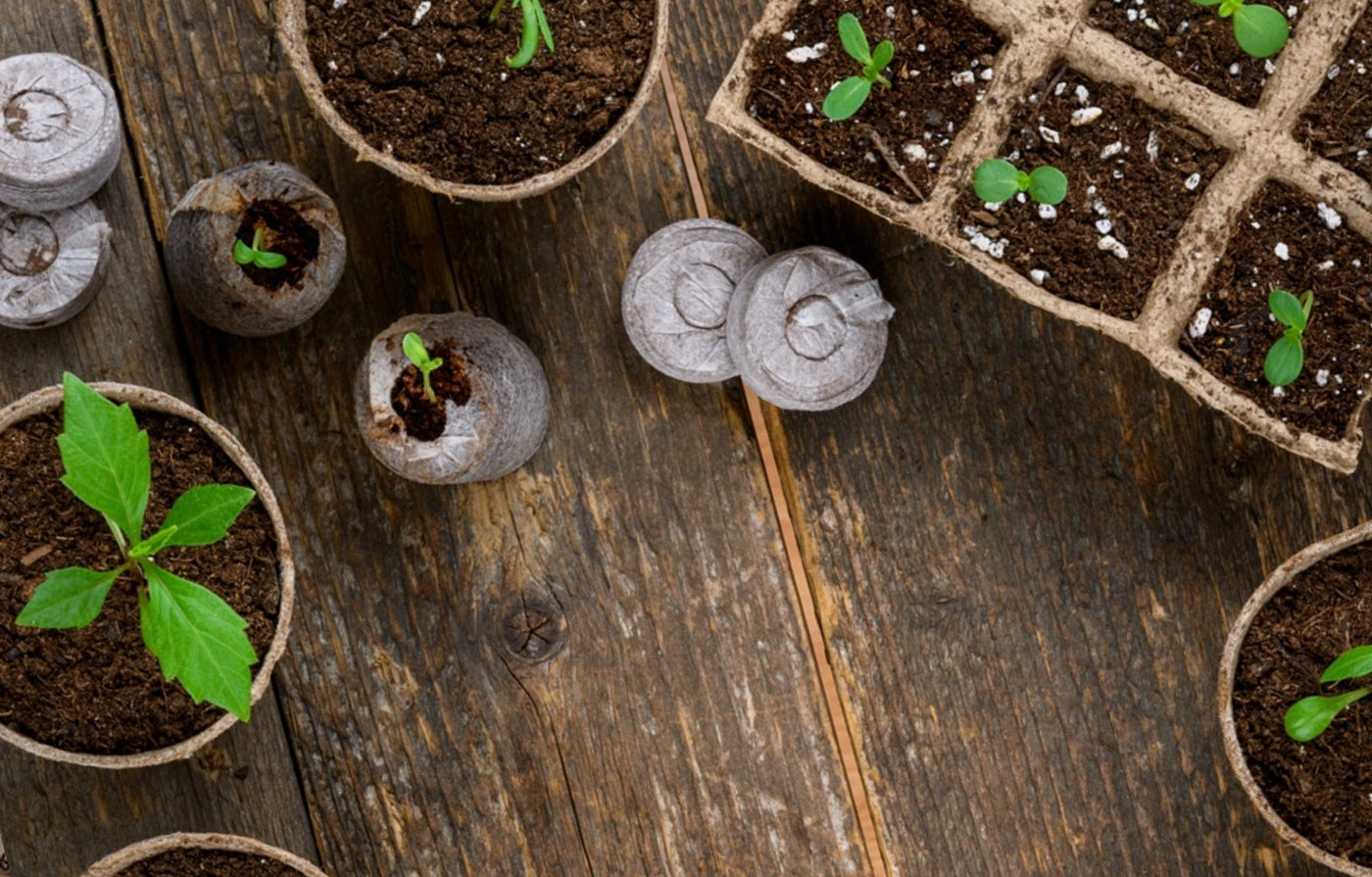
Mint seeds are tiny, so handle them gently. Fill seed trays or small pots with seed-starting mix—a light, well-draining blend that keeps moisture balanced. Lightly press seeds into the soil without covering them completely; mint seeds need light to germinate. Mist the surface with water until it's evenly moist but not waterlogged.
Create Ideal Growing Conditions
Place your trays in a warm location with temperatures between 65–70°F. A sunny windowsill or grow light setup works well. Keep the soil consistently moist during germination, which typically takes 7–14 days. Once seedlings emerge, ensure they receive 12–16 hours of light daily to prevent leggy growth.
Transplant When Ready
When seedlings develop their first true leaves and are 2–3 inches tall, thin them out or transplant to individual pots. Space them 6–12 inches apart to give each plant room to grow. Harden off seedlings by gradually exposing them to outdoor conditions over a week before moving them outside permanently.
Plant in Your Garden or Containers
Mint thrives in partial shade and prefers soil that stays consistently moist. In containers, use quality potting mix and ensure drainage holes prevent root rot. If planting directly in garden beds, consider using barriers—mint spreads vigorously and can overtake neighboring plants. Container growing gives you easier control and portability.
Ongoing Care and Harvesting
Water regularly to keep soil moist but not soggy. Once plants establish, pinch off the growing tips to encourage bushier growth. You can harvest leaves once the plant reaches 6 inches tall. Regular harvesting stimulates new growth and keeps your mint productive throughout the growing season. Established plants are incredibly hardy and often return year after year.
With patience and attention to these fundamentals, your homegrown mint will flourish, providing fresh leaves whenever you need them.
In Summary
| How to Grow & Harvest Mint |
| Mint is said to be the easiest to grow out of all herbs. It's great for beginning gardeners and grows best in zones 4-9. Use Mint leaves to add flavoring to a wide array of food and beverages. It also serves as a natural pest deterrent around other vegetables. Chewing on the leaves will freshen your breath and can calm an upset stomach.
How to Plant When sowing the seeds, do not cover them. They need light to germinate properly and will sprout within 10-15 days if the soil stays around 68 to 75°F. They are ready to transplant into the garden when they have their second set of "real" leaves. If you're sowing them directly out into your garden, consider placing a row cover over them until they sprout. When to Harvest Pick the leaves as you need them or harvest a large amount from each mint plant up to three times in one growing season. Cut the stems 1-2 inches from the ground. You can take cuttings from the plants you already have and root them in a little bit of water and then plant them indoors for fresh leaves throughout the winter. If you want to dry the leaves, it's best to harvest them before the plant goes to seed. |